


By: Miguel Ernesto Yusty
In 2019, Walt Disney Pictures released a new version of THE LION KING, a story first brought to the screen in 1994. This installment of the tale about an exiled prince who returns to reclaim his place as king is based on William Shakespeare's Hamlet and other stories from popular culture. It aims to be as successful as its predecessor, which became the highest-grossing traditionally animated film of all time. The 2019 release is directed by Jon Favreau, known for helming big-budget films that garner positive reviews and impressive box office results.
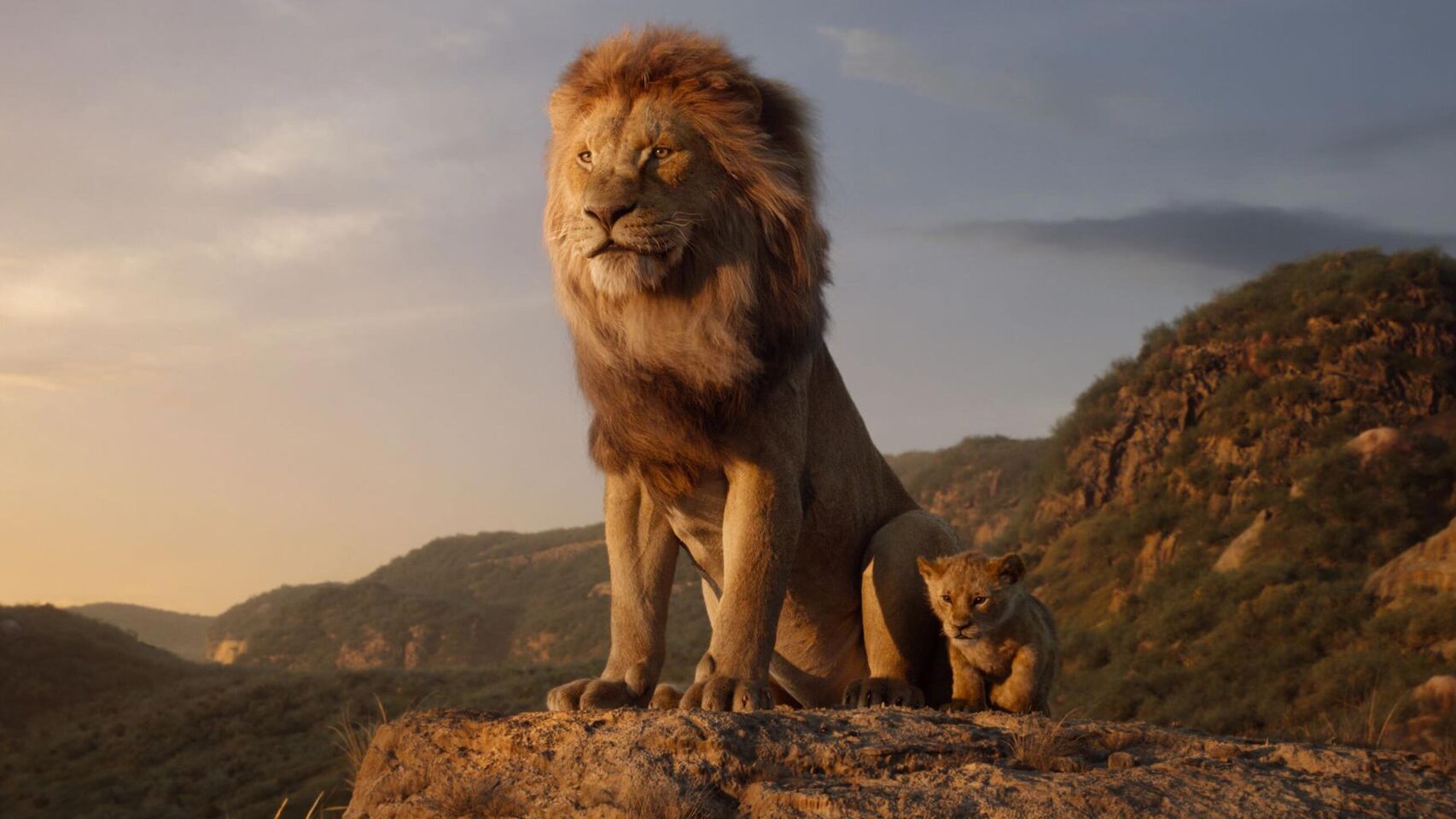
The new Lion King employs computer animation techniques that produce stunningly realistic images. Its aesthetic moves the film away from the cartoonish style and humor that characterized the previous installment. However, this aesthetic allows for greater dramatic force in developing the conflict of the transition from childhood to adulthood. Favreau, its director, understands this and achieves impactful moments in which the animals seem to have stepped out of a National Geographic documentary, although the aroma of popcorn and the excited voices of the children in the audience reveal that it is a fictional film with actors transformed into computer-generated figures. The film has it all, and if the cinephile takes the time to observe the audience, they will notice that many are watching the spectacle with their mouths agape, amazed by the visuals and the power of the story.
 https://www.youtube.com/watch?v=0U-kFH-ixV0