


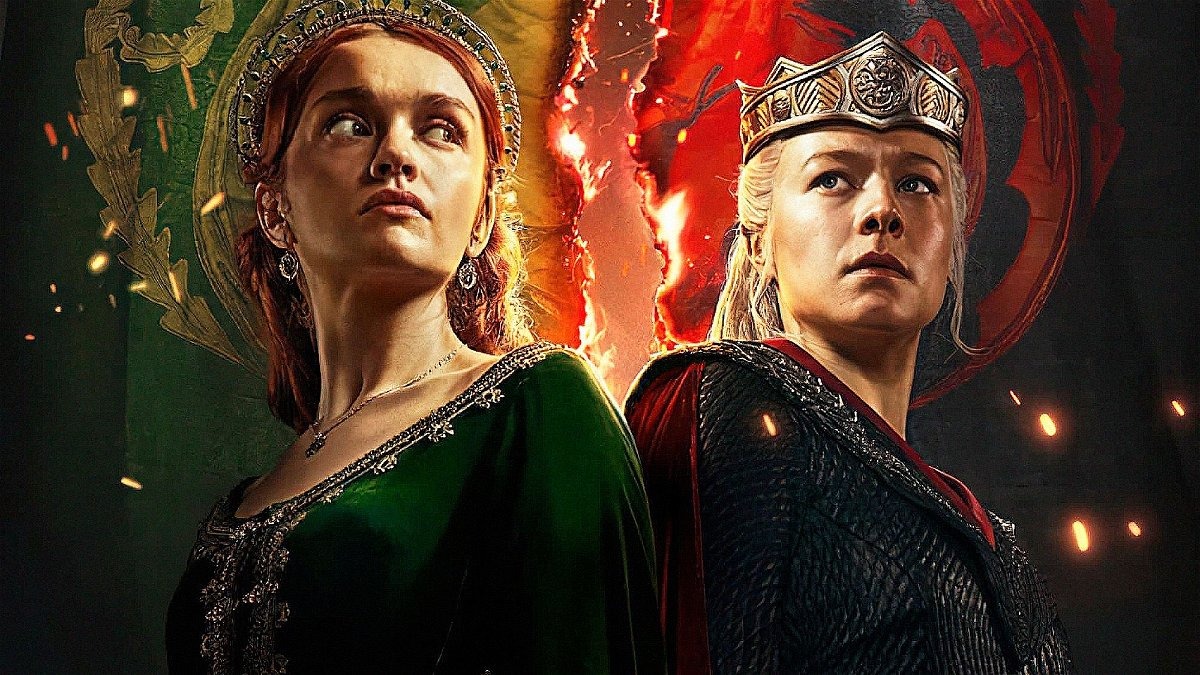
Could the second season of HOUSE OF THE DRAGON be a huge hit with audiences, like the first, or even better, like GAME OF THRONES? All three draw from a universal narrative root: heroic fantasy, which is easily set in times reminiscent of the Middle Ages. These stories don't feature Catholicism, and magic is commonplace. Imaginary creatures like dragons exist, and no one finds it strange that they can coexist with humans. The Middle Ages, or medieval period, is the time in history when the cultures of Northern Europe gained dominance over the peoples of the South. It is the period that followed the Roman Empire, which was Christian. It is, in a way, the moment when these peoples, who have shaped the course of the West up to the present 21st century, began to dictate the rhythm of history. For fantasy narratives, it is an ideal source of stories, because these northern European cultures were not Christianized, consequently they preserved cosmogonies in which animism was a constant, thus opening a free path for the imagination.
In the world of GAME OF THRONES and HOUSE OF THE DRAGON, as well as in the LORD OF THE RINGS films, for example, trees walk and can talk, wolves think, and humans can communicate metaphysically with them. These kinds of phenomena aren't punished with excommunication as in horror movies, nor are they the cause of complex exorcisms. When they occur, they are seen as wondrous events and accepted as possible. The public likes these stories because they confirm the reasons that have brought those who currently hold power to power; it's as if everything fits together. The state of affairs, the status quo, is further justified because those who control dragons have such a need for control that they use excessive force against anyone who opposes them. Magic and strength go hand in hand, and both lead to power. That said, one has to ask: what about the viewer who doesn't share the same cultural background, such as a medieval one? The common thread among these series and films lies in the unwavering faith held by some that, when the time comes, they can wield power against their enemy. They believe that beyond the cosmogony upheld by official beliefs, there is always some supernatural force, lurking in the shadows, that will awaken when needed. Until the time of this resurgence arrives, cinema, television, and, as always, literature, are the refuge where magical worlds can exist uncensored.
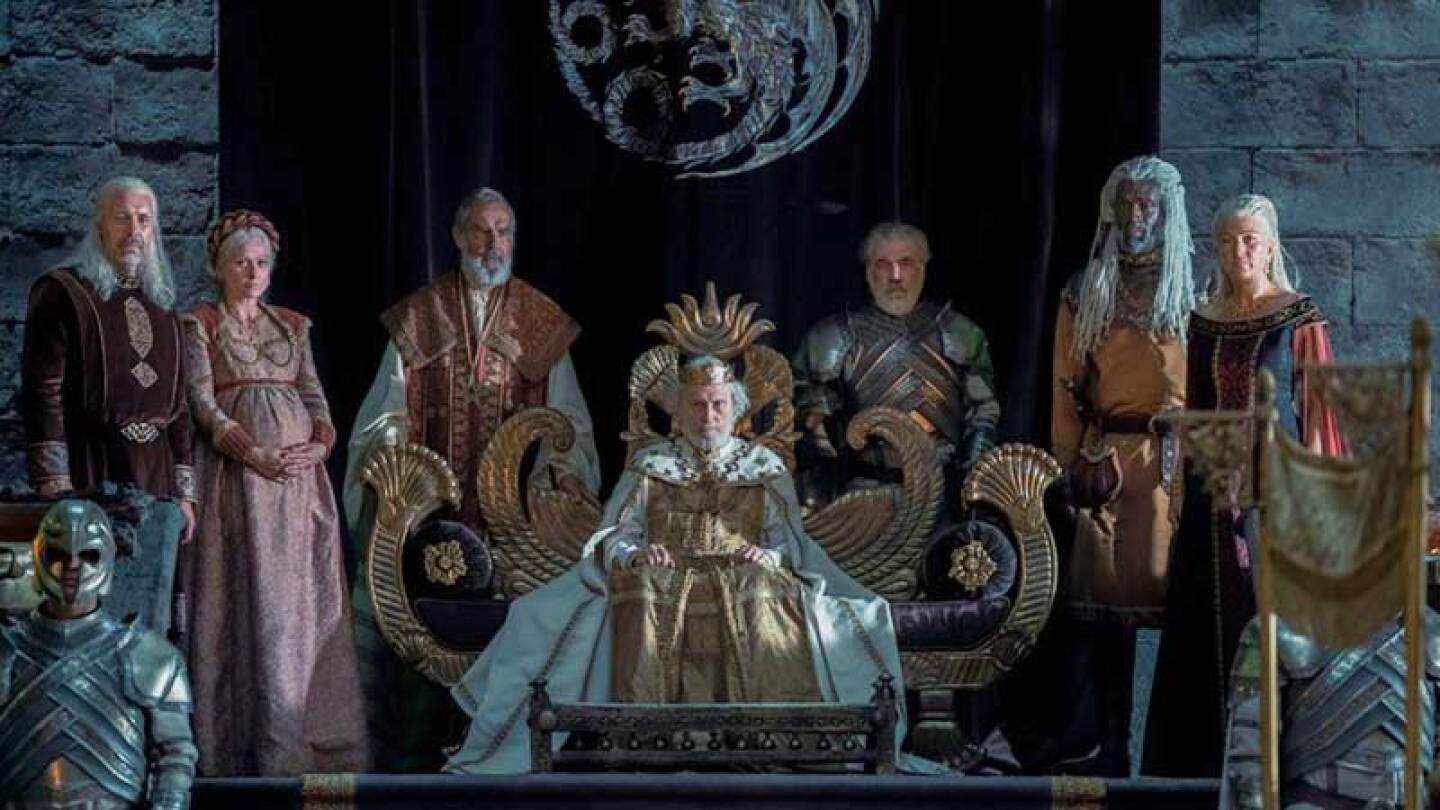
But is simply appealing to that mythological unconscious, so to speak, enough to guarantee success with a television series? The second season of HOUSE OF THE DRAGON, premiering in 2024, is once again a power struggle. That's not inherently bad; it reflects the political reality of many countries where leaders vie for control of the state rather than for its good. But is that the series' appeal? For example, GAME OF THRONES succeeds by featuring a formidable antagonist in the form of the White Walkers, humanoid beings from the frozen lands who were once dead, have been resurrected, and are determined to end human hegemony. They represent the unforgiving nature of the world, or simply death itself, which comes to all. This element adds dynamism to the series. HOUSE OF THE DRAGON, on the other hand, lacks an apocalyptic threat that inspires equal terror. Yes, it's rich in stories born from human folly, and that appeals to audiences. It also generously showcases the carnal desires of its characters, which is captivating. But it lacks any cataclysmic element that would truly shake everyone to their core. Of course, a sense of impending doom isn't a prerequisite for television success; neither Dallas nor Dynasty had it, and yet they're still remembered.