


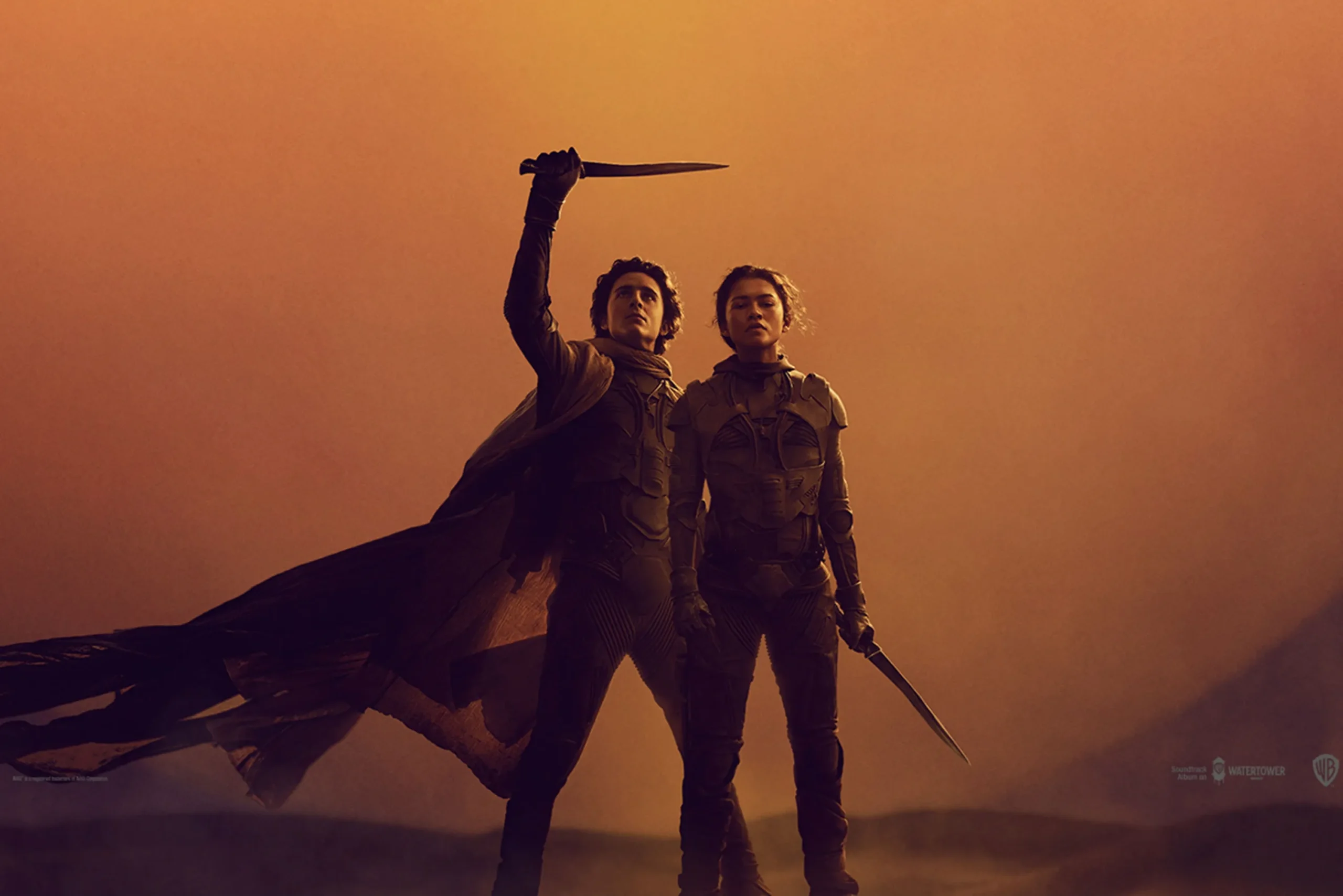
DUNE: PART II is the sequel to the 2021 film of the same name, based on the novel written by Frank Herbert in the 1960s. The story revisits the messianic narrative archetype and avoids conflicts with reality, creating a context outside of the present time and far removed from the space inhabited by the reader and viewer. The film is a metaphor for power struggles that escalate from verbal disputes to armed conflict. While clearly a work of fiction, its parallels with reality are striking and become prominent features that have made both the novel and the film landmarks of large-scale science fiction.
Dune tells the story of the chosen one. The same story that inspired the Matrix saga, the same one that fueled the life of Hercules, the Greek mythological figure, and even the biblical story of Jesus. It is also a metaphor for political leaders who are acclaimed by their followers as if they possessed the power to repair a world that was never truly broken, because its imperfect state is what nature bestowed upon it. Dune is a tale of politics, which is simultaneously a religion, a world in the distant future that is very close to the medieval past, where faith and reason did not require any separation.
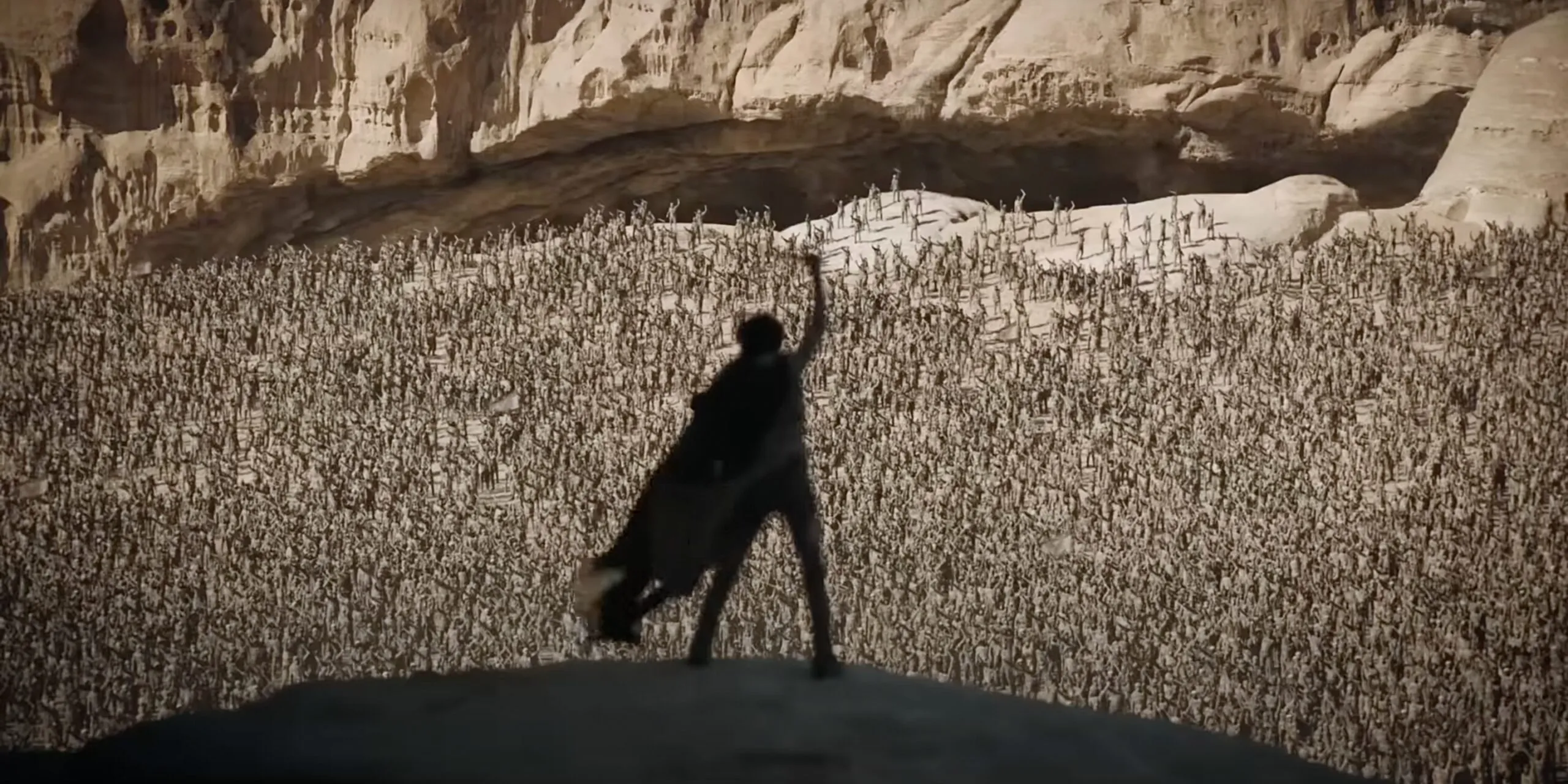
Dune was a failed attempt by Alejandro Jodorowsky, who was hired to adapt the novel for the screen, but his ambitions exceeded what was materially possible. Later, in 1984, David Lynch released a version that fell short of the grandeur demanded by the literary work. Although unpopular at the time, this version achieved cult status. It wasn't until the 21st century that Denis Villeneuve took on the project and elevated it to operatic proportions. This Canadian director, along with Christopher Nolan, became part of a new generation that managed to imbue their work with the distinctive style of their respective characters, while also recognizing the importance of connecting with the audience.