


By: Miguel Ernesto Yusty
ELVIS premiered in mid-2022, and from its first days in theaters, the film developed a close and sustained relationship with audiences. As its name suggests, it's a film based on the life of Elvis Presley, who died in 1977 and continues to be known as the "King of Rock and Roll." However, in the 2020s, he is a distant figure for younger generations. How did director Baz Luhrmann manage to turn it into the critical and box-office success it has become?
Luhrmann's approach to creating cinematic images is visceral. His saturated colors and deep blacks stand out, transforming each shot into a living painting, charged with intense emotion.

Emotionality. Likewise, his soundtracks are a product of his knowledge of pop music, allowing him to place the right song at the precise moment the story demands it. Consequently, his editing responds to the sound, like a performer to a score. But the viewer becomes aware that ELVIS is a great work when they see Austin Butler, "Elvis," perform, having worked on his body, movements, and voice to emulate Presley, to the point of convincing even the artist's widow of the quality of his work.
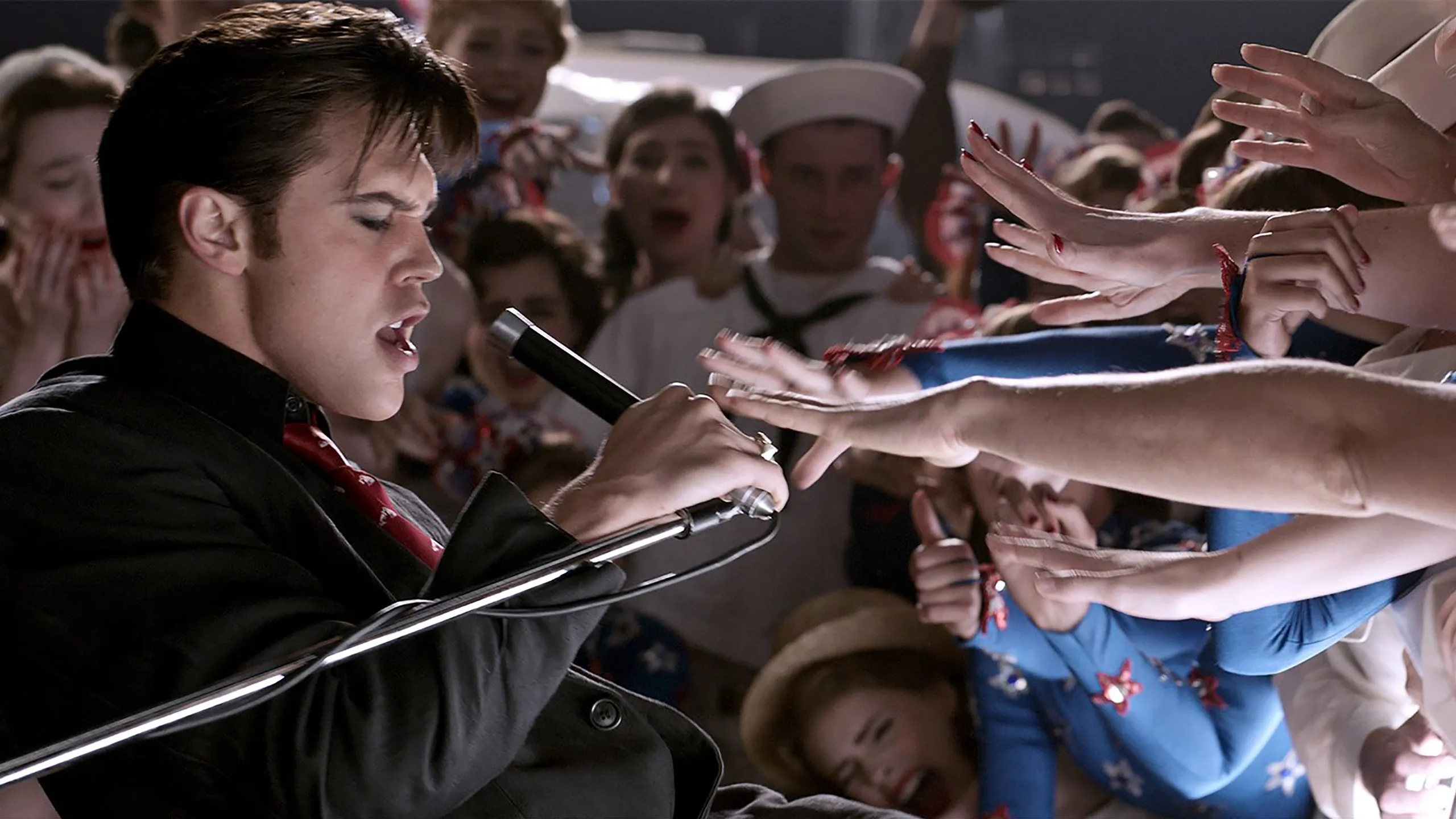
Luhrmann's baroque style leaves a lasting impression on those who see his films. Viewers perceive that there is a lot of everything in the film, while simultaneously being enveloped by a narrative and expressive whirlwind, and are completely captivated. Thus, even if they know nothing about Elvis and are learning for the first time about the singer's importance to music, they are swept away by the visceral narrative of Luhrmann's cinema and have no choice but to fall in love with the film.