


By: Miguel Ernesto Yusty
JUNG-E is a film that tells the tragic story of a daughter who lost her mother in a war and attempts to revive her in the body of a robot that looks exactly like her deceased mother. It's pure science fiction, produced in South Korea, and has been a massive hit with audiences. In just three days in January, Netflix had already streamed the film for 19 million hours. It was directed and written by Yeon Sang-ho, the same director as the 2016 zombie film TRAIN TO BUSAN, and starred Kang Soo-yeon, who passed away before the film's release in January 2023.
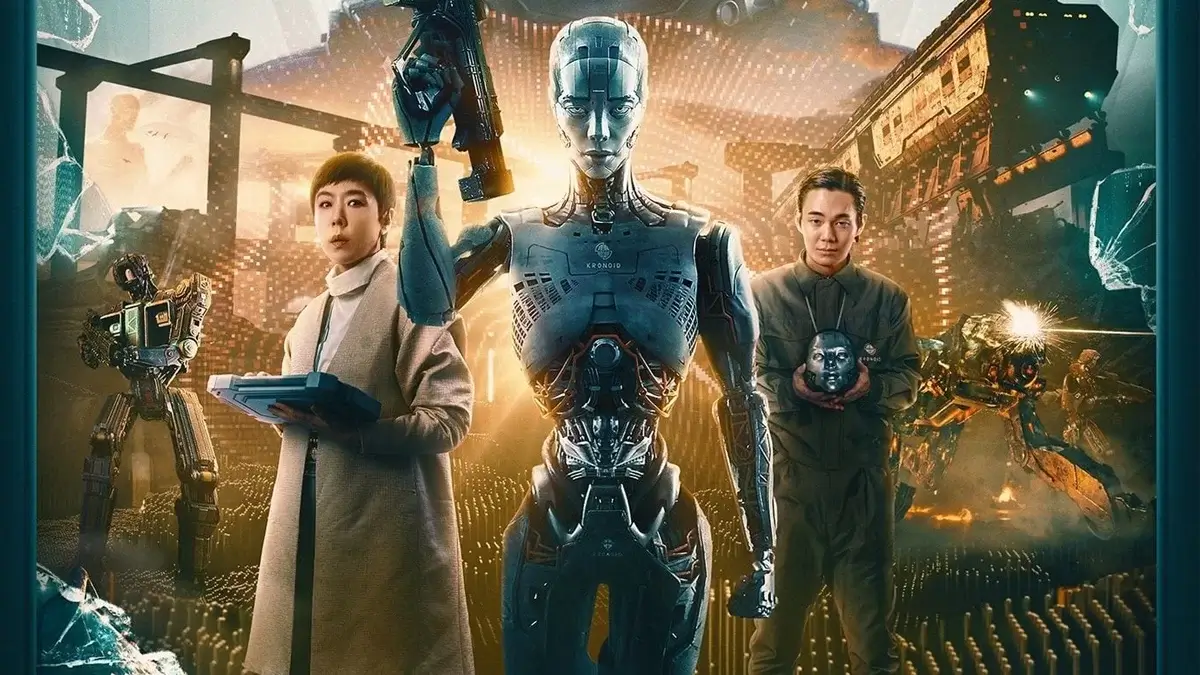
JUNG-E is consistent with a recurring theme in Korean cinema, which produces films where filial love is the unifying element of a society where the future is shaped by technological development. This story's protagonist is motivated by a daughter's desire to repay her deceased mother for the sacrifice made to keep her offspring alive. This same yearning of Victor Frankenstein in Mary Shelley's novel gives meaning to technological advancement, which would otherwise be incomprehensible to viewers, beyond its economic, political, or military justifications—all of which are present in this film. In other words, JUNG-E is a love story set against the backdrop of a world in ruins, yet technologically advanced.
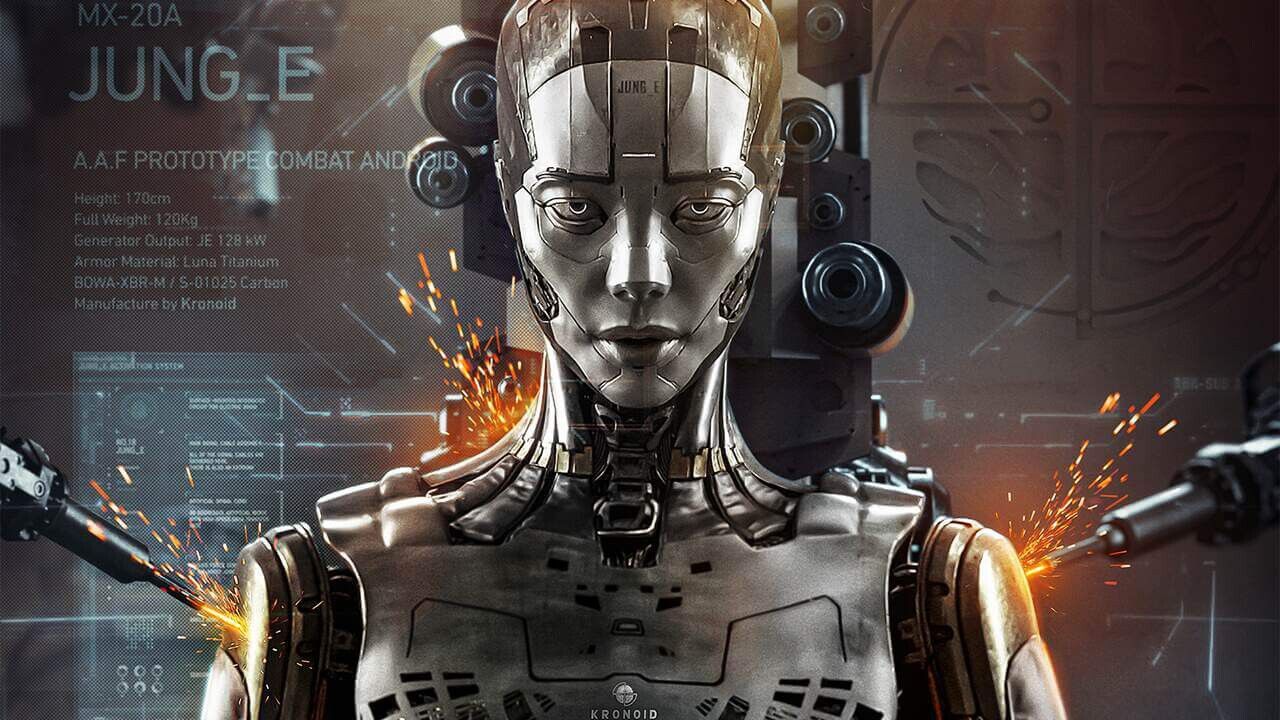
Since the mother character was a soldier, the reconstruction of her battles is a noteworthy aspect. Furthermore, the sets have been meticulously crafted, demonstrating skillful use of digital tools. But to what extent, in this story about the continuation of life in robot bodies with human brains, was the death of its lead actress during post-production a determining factor in the audience's engagement? After careful consideration, the film has sufficient merit to connect with viewers and justify its overwhelming success on Netflix.
https://www.youtube.com/watch?v=xqbjuGmOKds