


By: Miguel Ernesto Yusty
THE WIZARD OF LIES is a 2017 film directed by Barry Levinson that tells the story of the downfall of con man Bernie Madoff, who in 2010 confessed to embezzling over $64 billion. His actions, which land him in prison, lead one of his sons to suicide and coincide with the death of his second son from a debilitating cancer. Levinson, director of films such as GOOD MORNING, VIETNAM (1987) and RAIN MAN (1988), manages to give the film a testimonial tone, in which the protagonist witnesses the drama of his own life, almost unmoved. For this reason, Robert De Niro's performance is particularly effective, as he doesn't allow his character to shed a single tear in the face of the collapse of his financial empire.
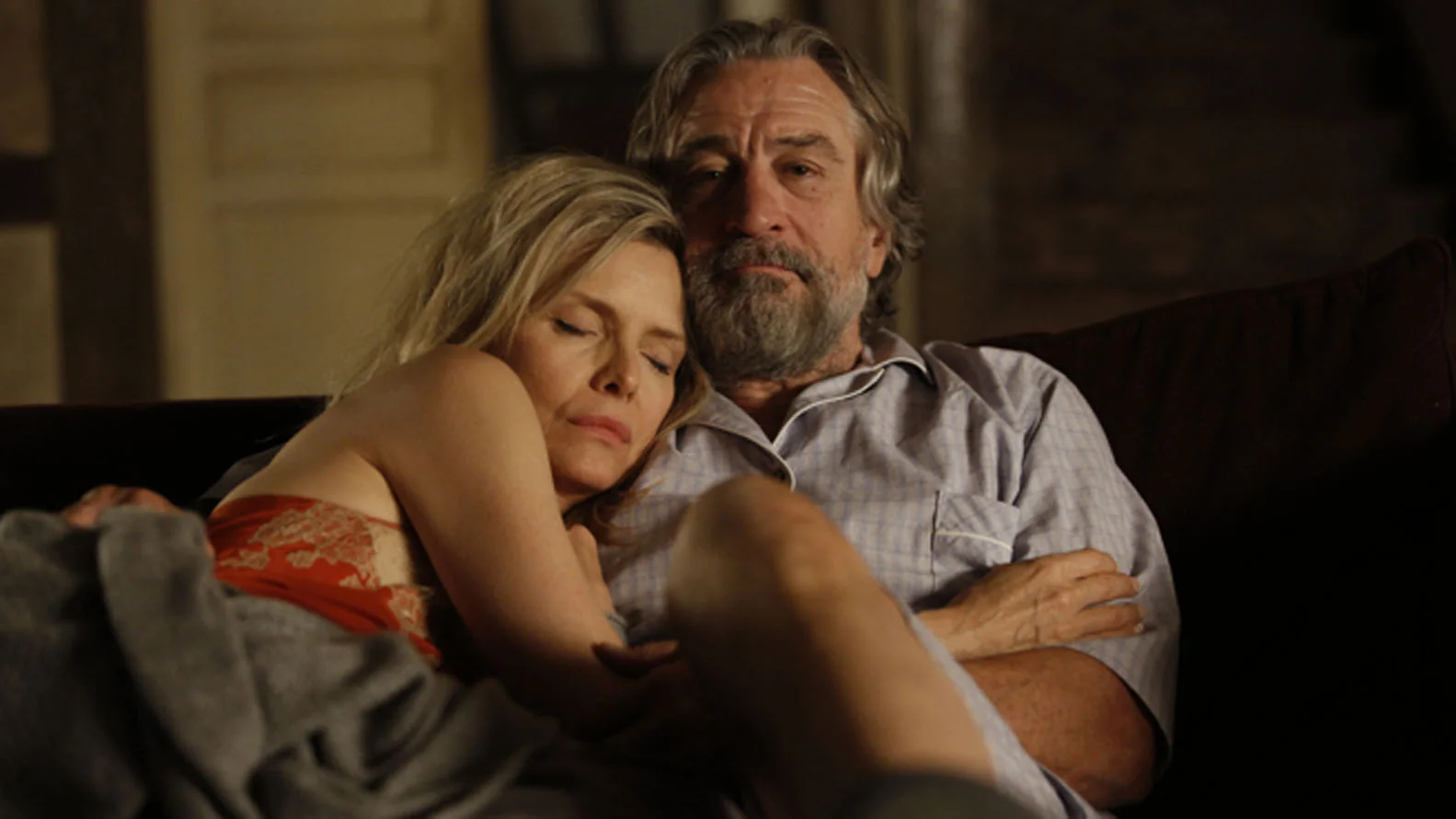
Among the various questions raised by THE WIZARD OF LIES is whether cinema remains "cinema" even when it's produced for television, that is, to be viewed on the small screen. This question would be irrelevant if the world hadn't experienced the COVID lockdowns, during which movie theaters were largely closed and films could only be seen on television: Did films cease to be "cinema" simply because they weren't seen on the big screen?

What's clear is that director Barry Levinson would never have made THE WIZARD OF LIES without the support of the HBO television platform. Is it then a cinematic work? Well, yes and no… It enjoys the freedom of content that cinema is supposed to have, but the perceptual experience offered by television doesn't compare to that provided by a movie theater. But in this case, beyond the sensory contribution of the projection, there are artistic expressions like the script and the acting, which don't depend on the screen size. Thus, accessing Levinson's story about the pyramid scheme orchestrated by Bernie Madoff is fundamental, regardless of where it's viewed. In the theater or at home, THE WIZARD OF LIES is a fundamental contribution to understanding human beings and the motivations behind their actions; whether it's cinema or not is irrelevant.