


BY: Andres Vallecilla Jaramillo
At the beginning of the 20th century, George Méliès, A French illusionist and filmmaker was filming Paris traffic. The camera mechanism he was using jammed, but traffic continued until the problem was resolved. Then, when he projected the footage, he saw a large bus rapidly transform into a hearse.

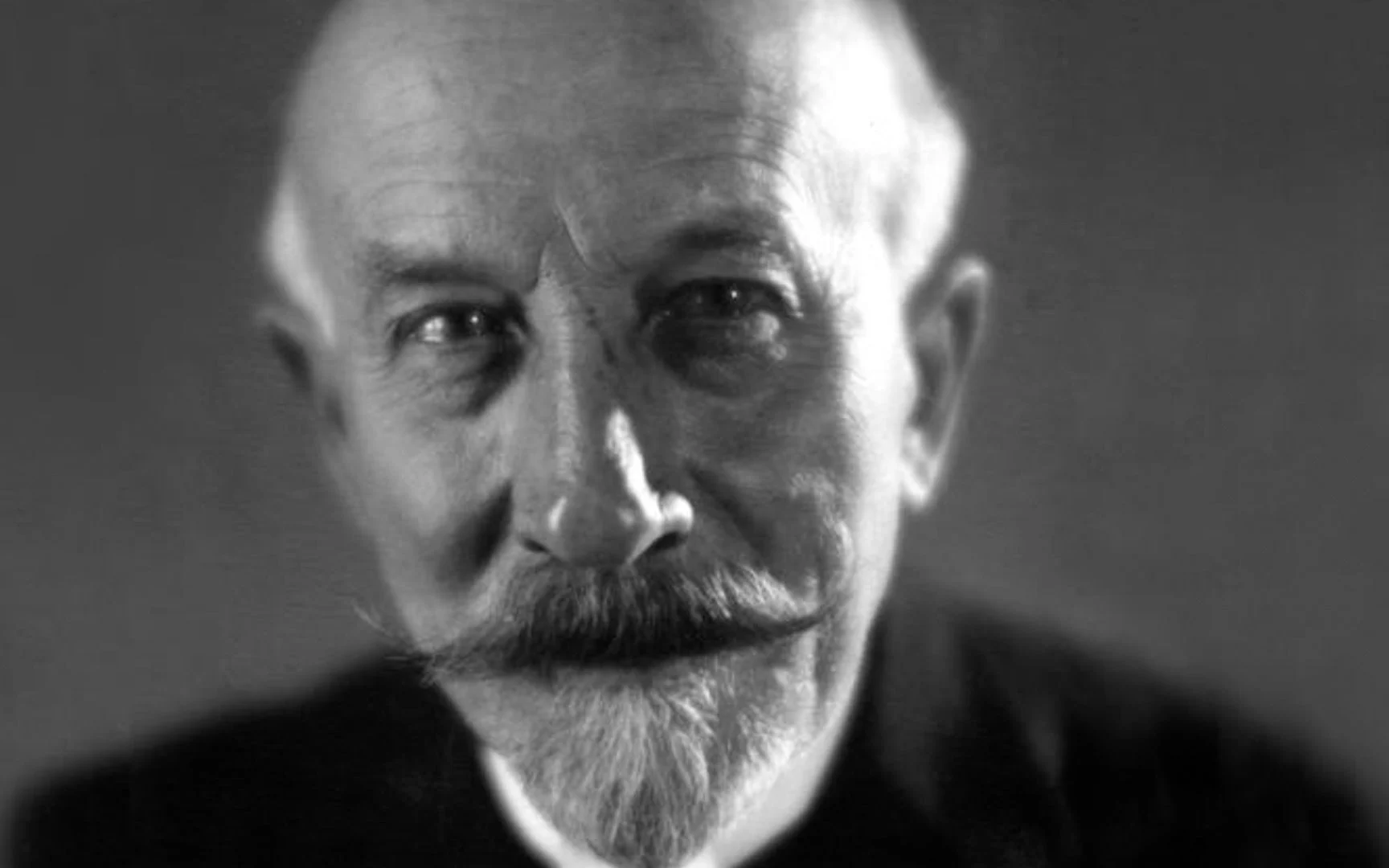
From then on, Méliès used this trick or effect in many of his films, including A TRIP TO THE MOON (1902) and THE IMPOSSIBLE JOURNEY (1904), two of his best-known and most revolutionary films of his time.
But anyway, let's stop here to find out what a special effect actually is.
Special effects are a set of techniques used in the entertainment and audiovisual industries to create an audiovisual illusion, allowing the viewer to witness scenes that cannot be achieved through conventional means. Special effects can be used to represent nonexistent objects or beings. In film, special effects are also used to enhance real elements previously filmed using conventional methods.

There are 5 types or 5 ways to classify special effects:
* Optical Effects
*Mechanical Effects or Animatronics
* Sound Effects
* Makeup Effects
* Digital Effects
Optical Effects
Optical effects, also called visual or photographic effects, are the oldest. Pioneers such as Georges Méliès, Segundo de Chomón, Willis O'Brien, and Ray Harryhausen were the creators of these innovations.
These effects were used in films such as KING KONG, which used stop-motion animation, and STAR WARS, which used more advanced stop-motion techniques called "Go Motion".“

Mechanical Effects
Better known as “animatronics,” mechanical effects include mechanical puppets, scenery, and pyrotechnics. They are also used to create scenes such as rain, gunfire, building destruction, and so on. Effects like these were used in Jurassic Park to bring the dinosaurs to life.

Sound Effects
Sound effects are all those obtained with pre-recorded sounds, with or without mixing between them.
They are used in most movies, but to give you an example, the T-Rex sound in JURASSIC PARK was made by mixing the sounds of elephants, tigers, and lizards, as well as the epic gun sounds in STAR WARS, which were captured from the sound of a hammer hitting wires.
Makeup Effects
Special makeup effects (SPMFX) are simply prosthetics or elements used on an actor to enhance their features, make them look different, or simulate false body parts. Most often, they are made of latex.
They are mainly used in horror films, such as the face of the immortal Freddy Krueger or the makeup used by actors in zombie movies.
Digital Effects
Digital effects, also known as infographics or computer-generated images, are all those digital images that are created by computer, although they can also be real images retouched by computer, with composition or integration process of all of them.
Movies like AVATAR, HUGO, SPIDERMAN 2 and THE LORD OF THE RINGS have won Oscars in recent years for their spectacular digital visual effects.
If you want to delve deeper into the origins of special effects, we invite you to read our article on George Méliès.